Study Notes
Overview
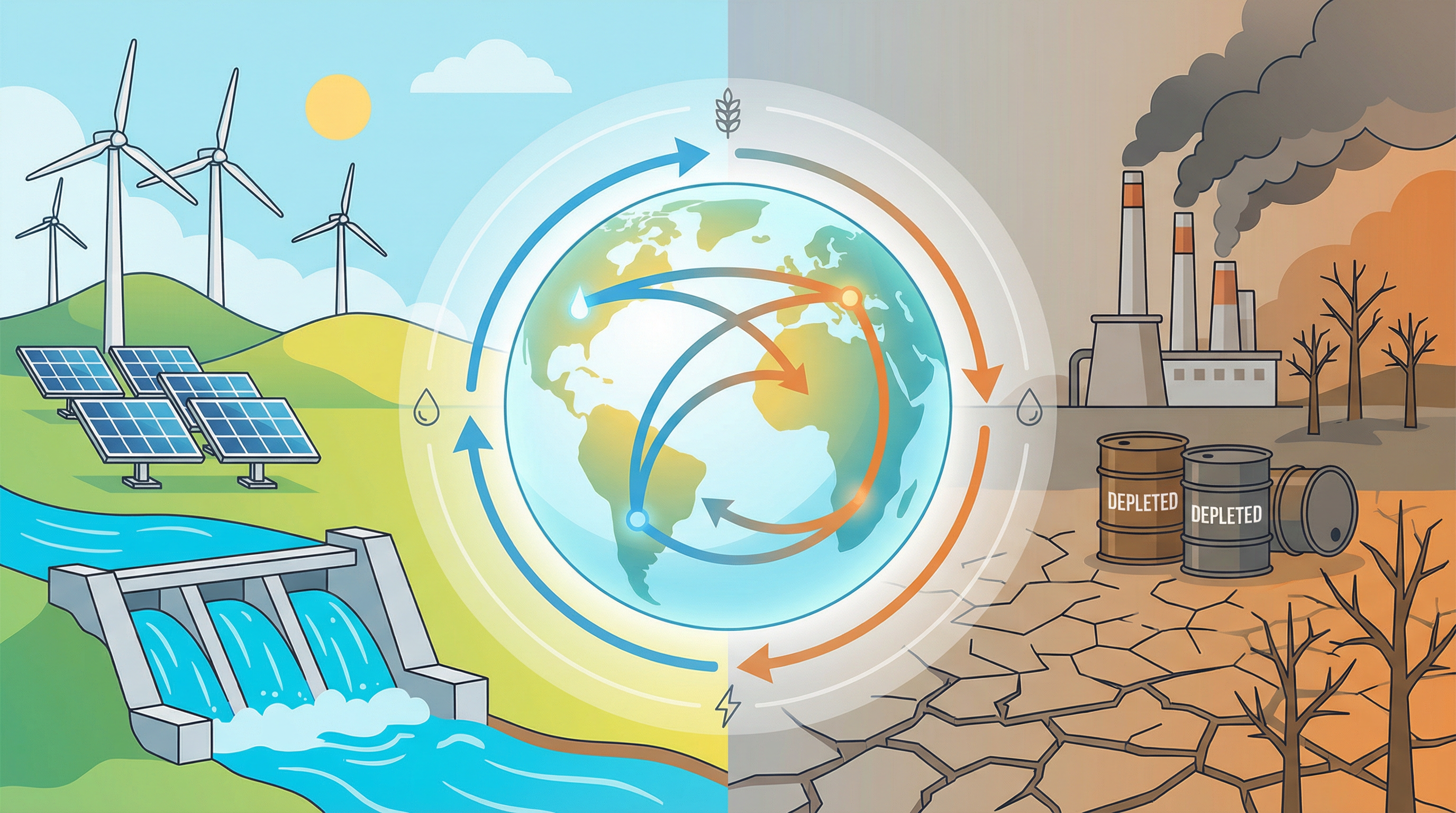
Resource Management is a critical component of the OCR GCSE Geography specification, focusing on the dynamic and often contentious relationship between human populations and the planet's finite resources. This topic examines the uneven global distribution of food, water, and energy, and the significant challenges this creates for human well-being, economic development, and environmental sustainability. Examiners expect candidates to move beyond simple descriptions, requiring them to analyze the complex interplay of physical and human factors that lead to resource insecurity. Furthermore, a high level of credit is given for the evaluation of various management strategies, from large-scale technological fixes to community-based sustainable initiatives. A deep understanding of specific case studies, supported by precise data, is essential for achieving the highest marks.
The Global Resource Imbalance
Uneven Distribution
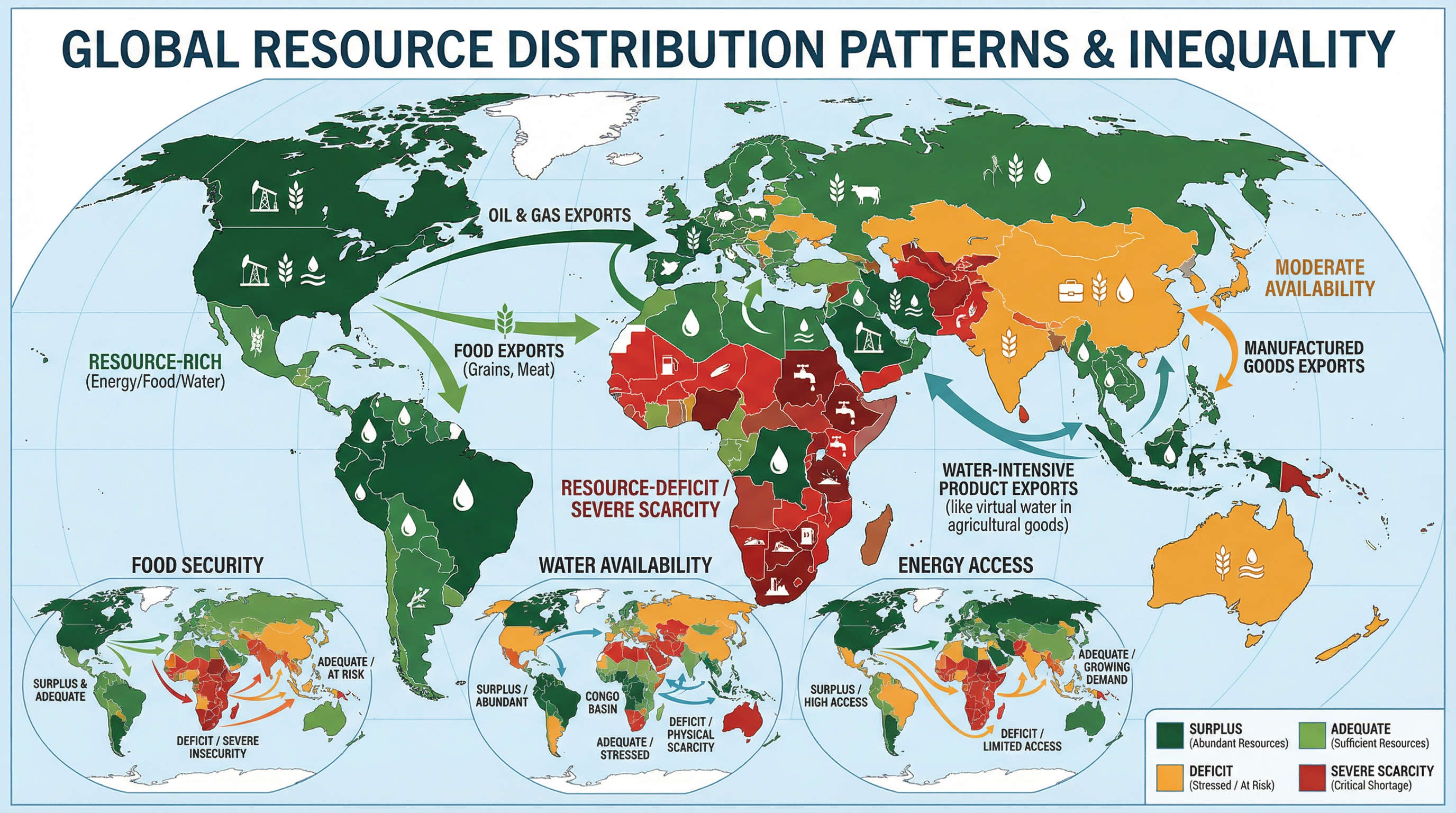
What is it?: The world's resources are not spread evenly. Some regions have a surplus of food, water, and energy, while others face a significant deficit. This is a foundational concept that underpins the entire topic.
Why it matters: This inequality is a primary driver of global challenges, including poverty, conflict, and environmental degradation. For the exam, candidates must be able to explain why this distribution is uneven, linking both physical and human factors.
Specific Knowledge:
- Physical Factors: Climate (e.g., rainfall patterns affecting agriculture and water supply), Geology (e.g., the location of fossil fuel reserves), Natural Hazards (e.g., droughts and floods).
- Human Factors: Population density, wealth and economic development (richer countries can afford to import resources or invest in technology), political stability, and levels of industrialization.
Resource Deep Dive: Food, Water, and Energy in the UK
The UK's Food Security Challenge
What happened: The UK has become increasingly reliant on imported food. Around 40% of the food consumed in the UK is imported, a figure that has risen over the last few decades. This makes the UK vulnerable to global supply chain disruptions and price fluctuations.
Why it matters: This reliance raises questions about the UK's food security. Examiners will expect candidates to understand the implications of this, including the carbon footprint of ‘food miles’ and the economic pressures on UK farmers.
Specific Knowledge: The UK imports a significant proportion of its fresh fruit and vegetables, particularly from Spain, the Netherlands, and countries in Africa and South America. The concept of agribusiness and the trend towards larger, more intensive farms in the UK is also crucial knowledge.
The UK's Water Puzzle: Surplus and Scarcity
What happened: The UK has a paradoxical water situation. The north and west of the country have a water surplus due to high rainfall and lower population density. In contrast, the south-east, including London, is an area of water deficit, with high population density and lower average rainfall.
Why it matters: This imbalance necessitates management strategies to move water from areas of surplus to areas of deficit. This is a classic example of resource management that candidates must be able to explain and evaluate.
Specific Knowledge: Candidates should be familiar with water transfer schemes, such as the Kielder Water Scheme in Northumberland, which transfers water to the rivers Tyne, Wear, and Tees. Mentioning the high rates of leakage from aging pipe networks in cities like London also demonstrates detailed knowledge.
The UK's Energy Transition
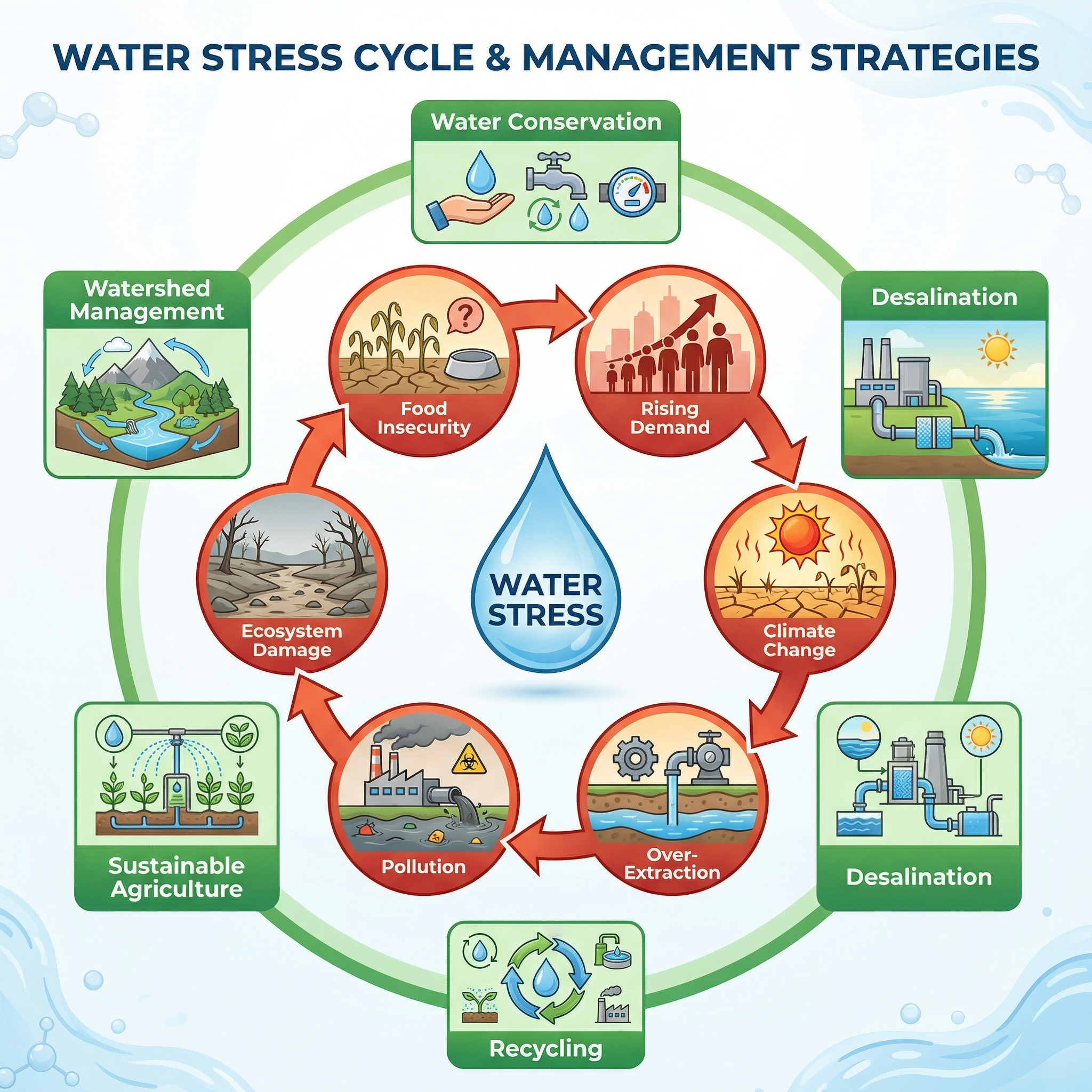
What happened: The UK has undergone a dramatic shift in its energy mix, moving away from fossil fuels, particularly coal, towards renewable energy sources.
Why it matters: This transition is a response to climate change commitments (like the Paris Agreement), the depletion of North Sea oil and gas reserves, and the economic decline of the coal industry. It is a key case study in changing resource use.
Specific Knowledge:
- 1990: Coal accounted for ~65% of the UK's electricity generation.
- 2025 (projected): Renewables (wind, solar, biomass) are expected to generate ~35% of electricity, with gas at ~40% and coal at less than 5%.
- Candidates should name specific renewable projects, such as the Hornsea Wind Farm off the Yorkshire coast, the world's largest offshore wind farm.
Management Strategies: Fixing or Sustaining?
Technological Fixes
What are they?: These are large-scale, often expensive projects that use technology to increase the supply of a resource.
Examples:
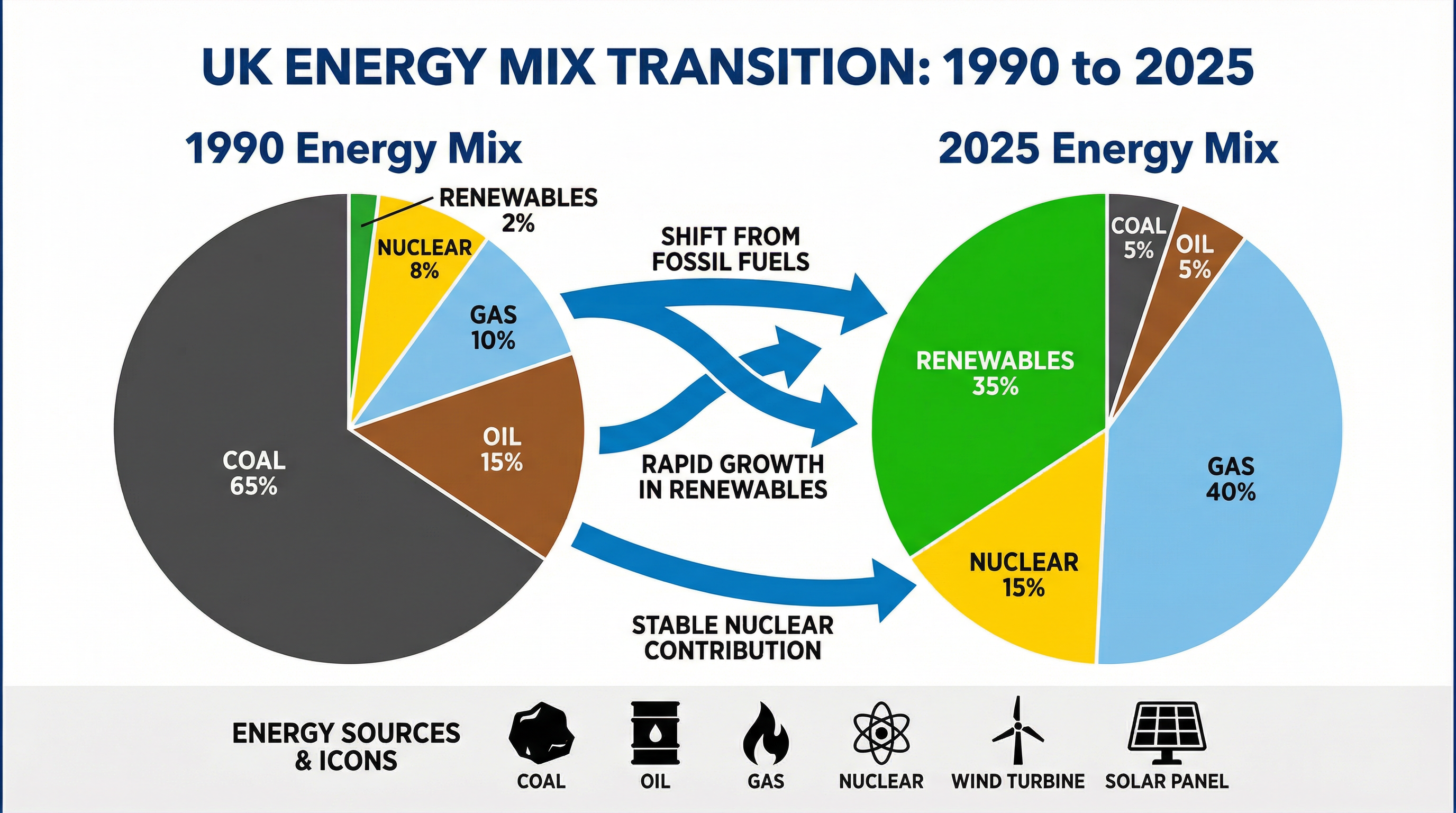
- Desalination: Removing salt from seawater to produce fresh water. Heavily used in the Middle East (e.g., Saudi Arabia, UAE).
- Large-scale dams: Such as the Three Gorges Dam in China, which provides hydroelectric power and controls flooding.
- Genetically Modified (GM) Crops: Crops engineered to be more resistant to drought or pests.
Evaluation: While often effective at increasing supply, these fixes can have significant negative economic, social, and environmental impacts. For example, desalination is extremely energy-intensive, and large dams displace thousands of people.
Sustainable Management
What is it?: These strategies aim to ensure the long-term security of resources without damaging the environment or compromising the needs of future generations.
Examples:
- Water Conservation: Reducing demand through fixing leaks, using water meters, and promoting water-efficient appliances.
- Renewable Energy: Harnessing wind, solar, and tidal power.
- Sustainable Agriculture: Including organic farming, permaculture, and urban farming to reduce food miles.
Evaluation: Sustainable strategies are often considered more holistic and have fewer negative environmental impacts. However, they can be slower to implement and may not be able to meet the immediate demands of a rapidly growing population. Examiners reward candidates who can debate the pros and cons of both approaches.