Study Notes
Overview
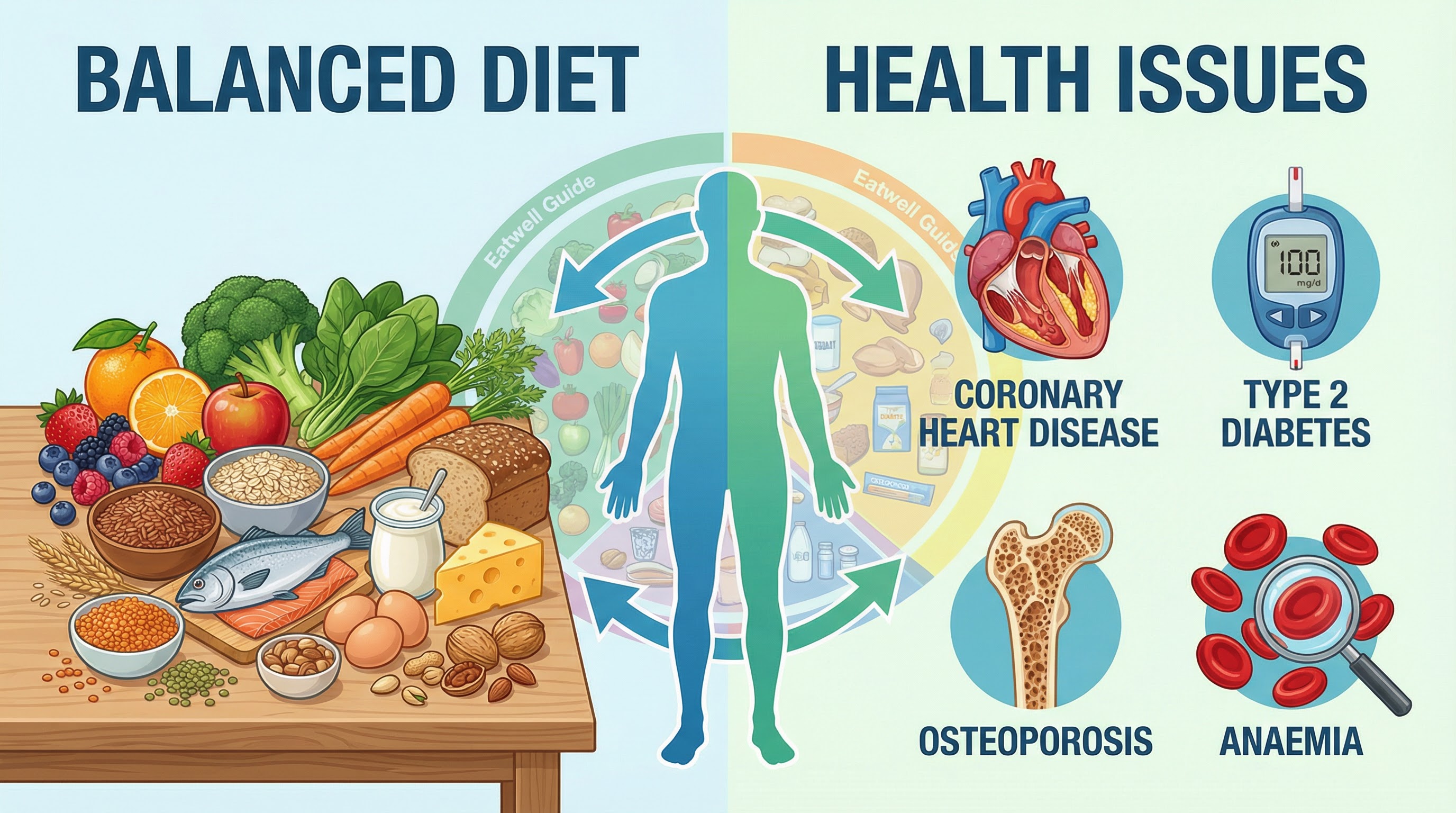
This section of the OCR J309 specification requires candidates to demonstrate a detailed physiological understanding of the relationship between diet, nutrition, and health. It is not enough to offer generic 'healthy eating' advice; marks are awarded for analysing the specific pathogenesis of diet-related diseases and applying current UK government guidelines, such as the Eatwell Guide and SACN recommendations, to practical scenarios. Examiners expect candidates to articulate the clear, evidence-based links between nutrient excesses or deficiencies and their physiological consequences. This guide will break down the five key conditions: Obesity, Coronary Heart Disease (CHD), Type 2 Diabetes, Iron-Deficiency Anaemia, and Osteoporosis. We will explore their causes, symptoms, and, crucially, the distinct dietary approaches for both prevention and management. Mastering this topic is essential for demonstrating the scientific rigour expected at GCSE level and for scoring highly in AO1 (knowledge) and AO2 (application) questions.
Key Diet-Related Health Issues
1. Obesity
What it is: A condition characterised by an excessive amount of body fat, clinically defined as a Body Mass Index (BMI) of 30 or above. The fundamental cause is a sustained positive energy balance, where energy intake from food and drink exceeds energy expenditure through physical activity.
Why it matters: Obesity is a major risk factor for several other serious conditions, including Type 2 Diabetes, CHD, and certain cancers. Examiners will credit candidates who can explain this link, for example, by stating that excess body fat, particularly around the abdomen, leads to insulin resistance.
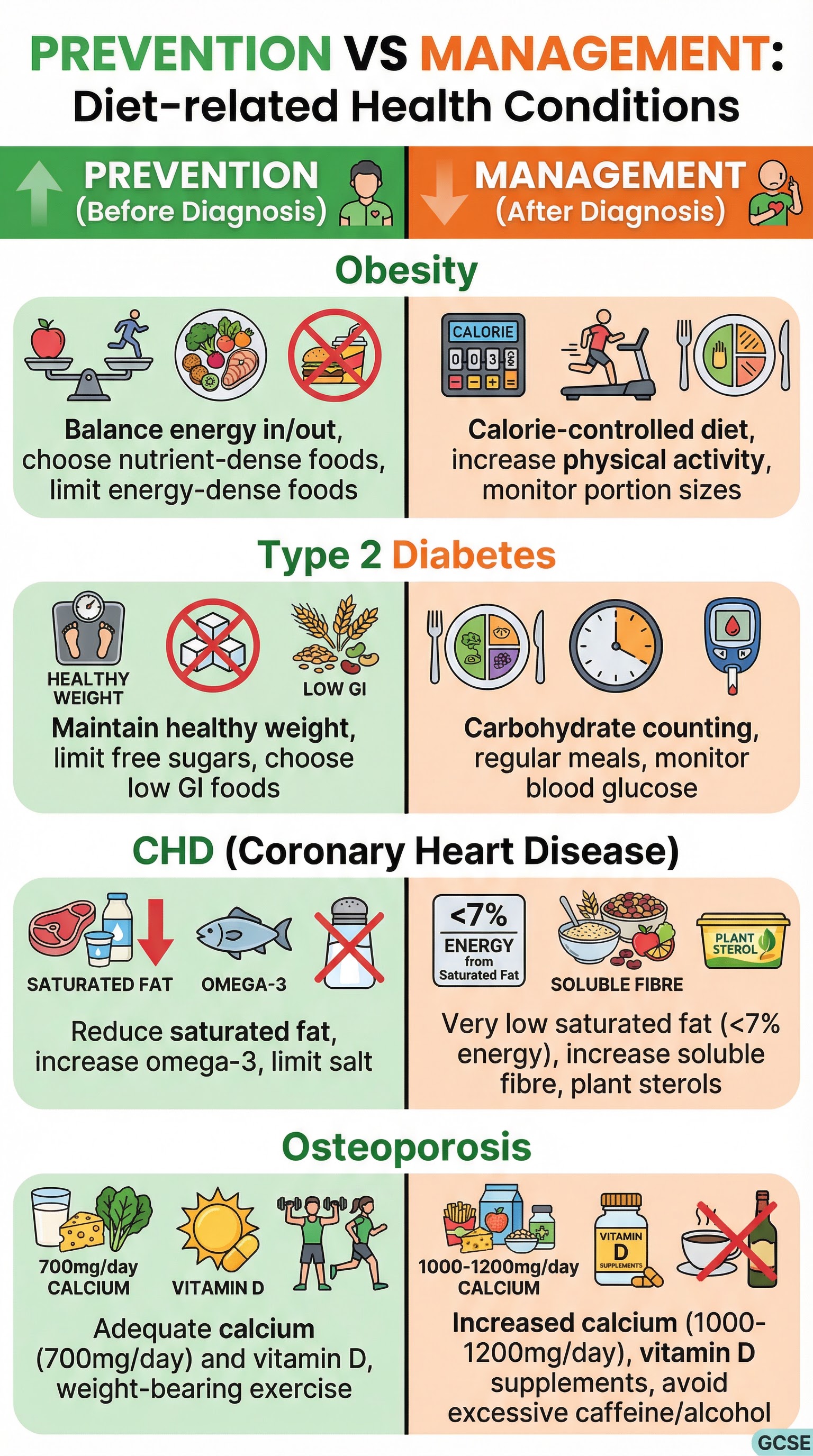
Specific Knowledge: Candidates must use the term energy-dense to describe foods high in calories for their weight (e.g., confectionery, fried foods, sugary drinks). Prevention involves balancing energy intake and expenditure, while management requires creating a negative energy balance through a calorie-controlled diet and increased physical activity.
2. Coronary Heart Disease (CHD)
What it is: A condition where the coronary arteries, which supply blood to the heart muscle, become narrowed by a build-up of fatty deposits called atheroma. This process is known as atherosclerosis.
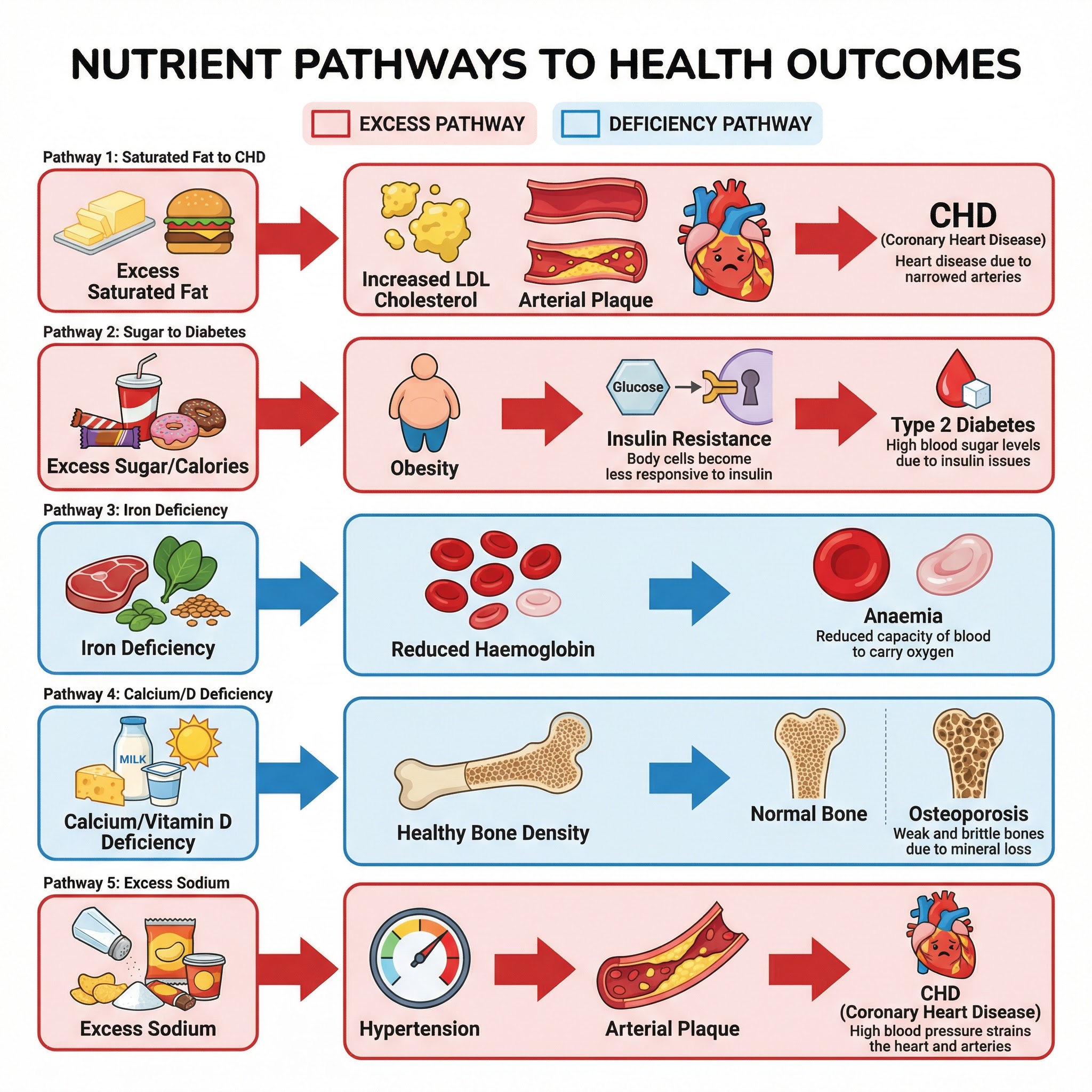
Why it matters: CHD is a leading cause of death in the UK. For the exam, the key is to explain the full physiological pathway. Marks are awarded for linking high intake of saturated fats (from sources like fatty meats, butter, cheese) to increased levels of LDL (low-density lipoprotein) cholesterol in the blood. This LDL cholesterol is then deposited in the artery walls, forming the atheroma plaque, which restricts blood flow and can lead to angina or a heart attack if a piece breaks off and forms a clot.
Specific Knowledge: Distinguish between dietary cholesterol and blood cholesterol. It is the saturated fat content of the diet, not the cholesterol content of foods like eggs, that has the most significant impact on blood cholesterol levels. Also, link high salt intake to hypertension (high blood pressure), another major risk factor for CHD.
3. Type 2 Diabetes
What it is: A condition that causes the level of sugar (glucose) in the blood to become too high. It occurs when the body does not produce enough insulin or the body's cells do not react to insulin properly (known as insulin resistance).
Why it matters: A common mistake is to vaguely state that 'sugar causes diabetes'. To gain credit, candidates must explain that obesity is the primary risk factor. Excess body fat interferes with the body's ability to use insulin effectively. A diet high in free sugars and refined carbohydrates can contribute to the obesity that triggers insulin resistance.
Specific Knowledge: Prevention focuses on maintaining a healthy weight, limiting free sugars to less than 5% of daily energy intake, and choosing high-fibre, low-glycaemic index carbohydrates. Management involves carbohydrate counting, regular meals to stabilise blood glucose, and sometimes medication.
4. Iron-Deficiency Anaemia
What it is: A condition caused by a lack of iron, leading to a reduction in the number of red blood cells or the amount of haemoglobin they contain. Haemoglobin is the protein that transports oxygen around the body.
Why it matters: Candidates should be able to explain the function of iron in forming haemoglobin and the resulting symptoms of deficiency (fatigue, pale skin, shortness of breath). Marks are given for distinguishing between the two types of dietary iron: haem iron from animal sources (e.g., red meat), which is easily absorbed, and non-haem iron from plant sources (e.g., spinach, lentils), which is less easily absorbed.
Specific Knowledge: A key exam tip is to mention that the absorption of non-haem iron is enhanced by Vitamin C. Therefore, advising that a glass of orange juice (source of Vitamin C) be consumed with a fortified breakfast cereal (source of non-haem iron) is an excellent application point. Know the RNI for women (14.8mg/day) is higher than for men (8.7mg/day) due to menstrual losses.
5. Osteoporosis
What it is: A condition that weakens bones, making them fragile and more likely to break. It develops slowly over several years and is often only diagnosed when a fall or sudden impact causes a bone to fracture.
Why it matters: This is a disease of deficiency. Candidates must link it to insufficient intake of calcium and Vitamin D. Calcium is the mineral that gives bones their strength, while Vitamin D is essential for the body to be able to absorb calcium from the diet. Peak bone mass is typically reached in early adulthood, so a good intake during childhood and adolescence is crucial for prevention.
Specific Knowledge: Know the key dietary sources: calcium from dairy products, fortified foods, and green leafy vegetables; Vitamin D primarily from sunlight exposure, but also from oily fish and fortified foods. For management, calcium and Vitamin D requirements are often higher, and supplements may be prescribed.
Applying the Eatwell Guide
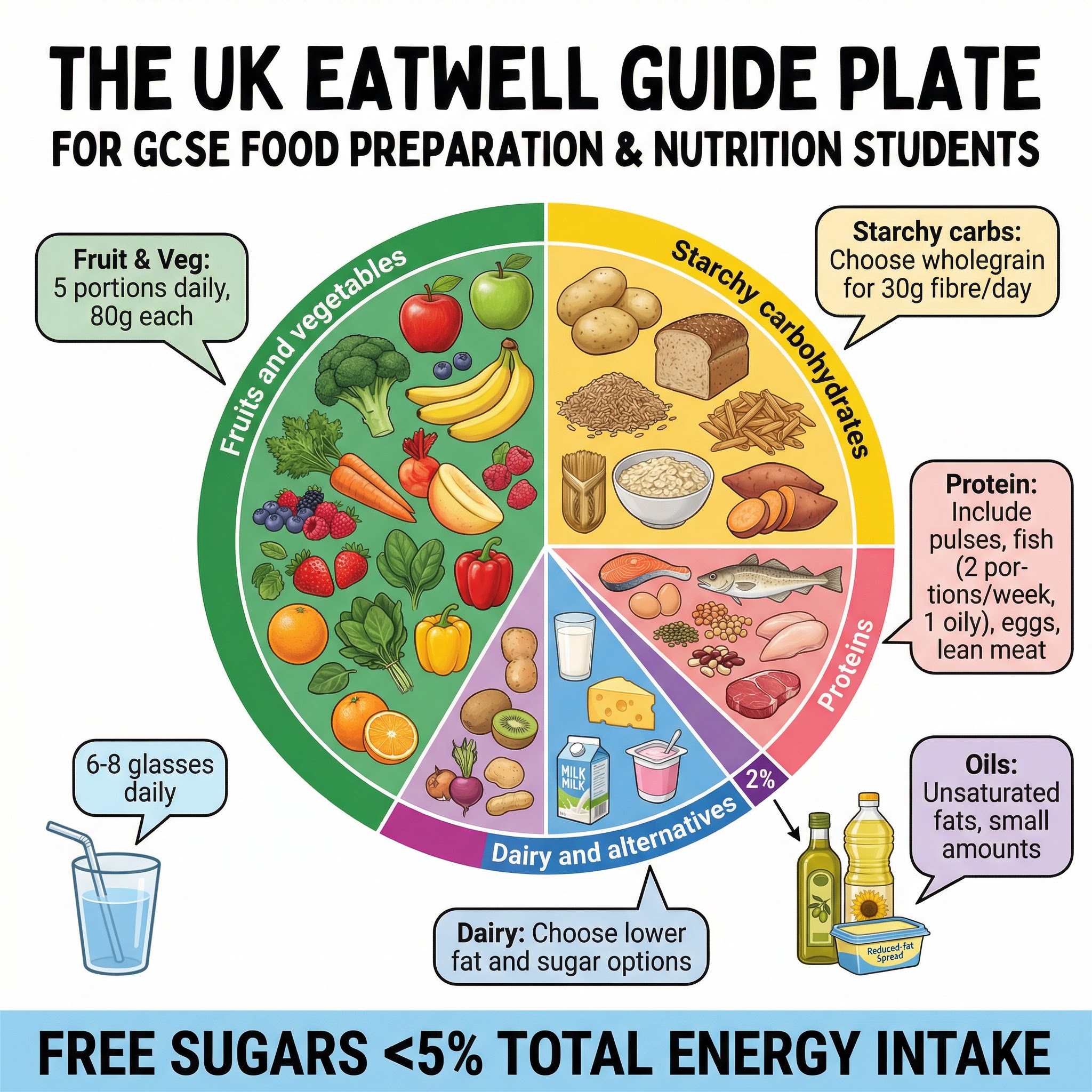
The Eatwell Guide is the UK's model for a healthy, balanced diet. In the exam, you must be able to apply its principles to prevent diet-related diseases.
- Fruit and Vegetables (at least 5 a day): High in fibre, vitamins, and minerals; low in energy density. Helps with weight management and provides antioxidants that may protect against CHD.
- Potatoes, bread, rice, pasta and other starchy carbohydrates (choose wholegrain): Wholegrain versions are a key source of fibre, which helps lower cholesterol and control blood glucose levels, reducing risk of CHD and Type 2 Diabetes. Aim for 30g of fibre per day.
- Beans, pulses, fish, eggs, meat and other proteins: Choose lean meats and include at least two portions of fish per week, one of which should be oily (e.g., salmon, mackerel) for its omega-3 fatty acids, which protect against CHD.
- Dairy and alternatives (choose lower fat and sugar options): Main source of dietary calcium, essential for preventing osteoporosis.
- Oils and Spreads (use unsaturated fats in small amounts): Swapping saturated fats for unsaturated fats helps to lower blood cholesterol.